 Hanami, or literally the act of viewing flowers in
English, is the Japanese traditional way of enjoying the awe-inspiring
beauty of flowers. In this case, the flowers that are viewed are almost always
cherry blossoms, sakura in Japanese, or plum blossoms, ume in Japanese. From
the end of March to early May, sakura bloom all over Japan, and around the
first of February on the island of Okinawa. The blossom forecast, sakura
zensen in Japanese meaning literally cherry blossom front, is
announced each year by the weather stations, and is watched carefully by those
planning hanami as the blossoms only last a week or two. In
modern-day Japan, hanami mostly consists of having an outdoor party
or picnic with lots of friends and family or even random other hanami viewers
that were met on the travel to hanami beneath the sakura during the day or at
night. The hanami celebrations usually involve eating and drinking,
and playing and listening to music. Some special dishes are prepared and eaten
at the occasion, like dango and bento, sake is commonly drunk as part of
the festivity.
Hanami, or literally the act of viewing flowers in
English, is the Japanese traditional way of enjoying the awe-inspiring
beauty of flowers. In this case, the flowers that are viewed are almost always
cherry blossoms, sakura in Japanese, or plum blossoms, ume in Japanese. From
the end of March to early May, sakura bloom all over Japan, and around the
first of February on the island of Okinawa. The blossom forecast, sakura
zensen in Japanese meaning literally cherry blossom front, is
announced each year by the weather stations, and is watched carefully by those
planning hanami as the blossoms only last a week or two. In
modern-day Japan, hanami mostly consists of having an outdoor party
or picnic with lots of friends and family or even random other hanami viewers
that were met on the travel to hanami beneath the sakura during the day or at
night. The hanami celebrations usually involve eating and drinking,
and playing and listening to music. Some special dishes are prepared and eaten
at the occasion, like dango and bento, sake is commonly drunk as part of
the festivity.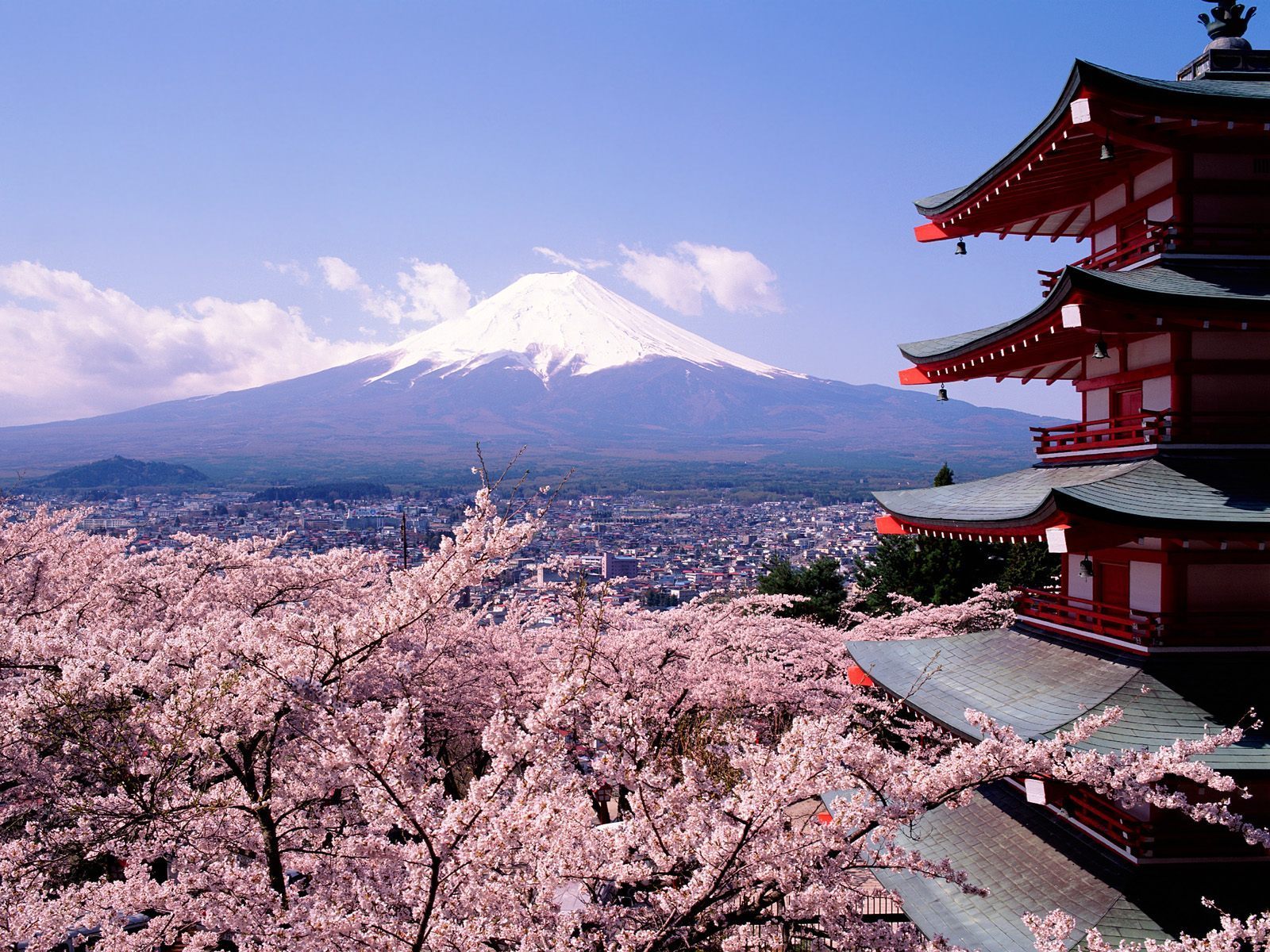
Hanami at night is called yozakura, night sakura in Japanese. In many places such as Ueno Park temporary paper lanterns are hung for the purpose of yozakura. On the island of Okinawa, decorative electric lanterns are hung in the trees for evening enjoyment, such as on the trees ascending Mt. Yae, near Motobu Town, or at the Nakijin Castle
A more older form
of hanami also exists in Japan, which is enjoying the
plum blossoms, or ume in Japanese, instead, which is narrowly
referred to as umemi, plum viewing in English. This kind
of hanami is popular among old generations of people, because they
are more calm than the sakura parties and gatherings, which usually involve
younger people and can sometimes be very crowded and noisy.


No comments:
Post a Comment